Week 29
Your baby is the size of a butternut squash
Welcome to week 29. Per Mayo Clinic, your baby is around 10 1/2 inches crown-to-rump and close to 3 pounds, with kicking, stretching, and the first grasping movements showing up on ultrasound. Behind the scenes, your body is in the middle of two huge handoffs to your baby: iron stockpiling for the first months after birth, and the slow ramp toward lungs that can breathe air. Here's what week 29 actually is.
Key takeaways
- At 29 weeks your baby is around 10 1/2 inches crown-to-rump and close to 3 pounds per Mayo Clinic. Kicking and stretching are familiar. Grasping movements are new this week.
- About 80% of a term newborn's iron stores are accreted during the third trimester per Rao and Georgieff (Seminars in Fetal & Neonatal Medicine, 2007). The transfer is mostly happening right now.
- Pulmonary surfactant production began around 24 weeks but isn't at adequate levels until about 32 weeks per StatPearls. Neonatal respiratory distress syndrome risk drops below 5% once a baby is born after 34 weeks.
- Your 24-to-28-week anemia screen is back about now per ACOG. Hemoglobin below 11 g/dL in the third trimester is the threshold for treatment.
Your baby is grasping, kicking, and stockpiling iron faster than your body can replace it
Per Mayo Clinic, at 29 weeks your baby is around 10 1/2 inches (270 mm) crown-to-rump and close to 3 pounds (1,300 g). Kicking and stretching are familiar by now. Grasping is the new one.
Not a real grip yet. The cord brushes the palm, fingers close, fingers open. Reflex, not intention. The wiring is in place for the moment you meet.
Here's the bigger story for week 29: iron.
Per Rao and Georgieff (Seminars in Fetal & Neonatal Medicine, 2007), about 80% of the iron in a term newborn is accreted during the third trimester. A term baby reaches roughly 75 mg of elemental iron per kg of body weight by birth.
That stockpile is your baby's reserve for the first four months of life. Per the AAP, exclusively breastfed babies become at risk of iron deficiency around month four because breast milk is low in iron. The buffer is being built right now.
In the lungs, type II alveolar cells are still scaling up surfactant production per StatPearls. Production began around 24 weeks. Adequate levels for unassisted breathing aren't reached until about 32 weeks. Week 29 sits in the middle of that ramp.
Your 28-week anemia screen is back, and your birth plan needs a working draft
Two things move into focus between weeks 28 and 30 you didn't fully sign up for.
The anemia results. Per ACOG, the routine screen at 24 to 28 weeks repeats the first-trimester CBC. The threshold is hemoglobin below 11 g/dL in the first or third trimesters, or below 10.5 g/dL in the second.
If your number landed under that, your provider will likely start or escalate iron. The fetal demand from the section above is part of why your hemoglobin dropped.
What helps when iron is the issue:
- Pair iron-rich foods (red meat, lentils, dark leafy greens, fortified cereal, pumpkin seeds) with vitamin C
- Separate iron from coffee, tea, and calcium foods or supplements
- Follow your provider's dosing, including whether to take iron pills with food
Constipation is the trade-off.
Hydration, fiber, and gentle movement help.
The birth plan. A working draft between weeks 28 and 32 and a final version by 36 is the common ask. It's a communication tool, not a contract.
Decide who you want in the room, your pain management preferences, your stance on intervention escalation, and immediate postpartum wishes like skin-to-skin and delayed cord clamping. One page. Two printed copies.
Contact your provider right away if you have regular contractions, fluid leakage, heavy bleeding, severe headache or vision changes, upper-belly pain, or a sustained drop in baby's movement.
For dads
Here's your move:
Read the birth plan she's been drafting. Out loud. Together. Saturday morning, coffee, the laptop open. Not as a courtesy run-through. As a working document you both need to know cold. The labor and delivery nurse will look at the two of you when something doesn't go to plan. Pain management, who's in the room, intervention preferences, skin-to-skin and delayed cord clamping right after delivery. If she's pushing or post-epidural and can't speak for herself, you're the advocate. You can't improvise that role in the moment. Read the document, ask the questions you have, and don't be the parent who shows up at the hospital having never seen what the nurses are pulling out of a folder.
Real talk:
Real talk on the iron piece. If her hemoglobin came back low, the fatigue she's been blaming on the third trimester isn't entirely the third trimester. Iron deficiency is exhausting at a level that doesn't show on her face. The fix is slow. Supplements take weeks to move a hemoglobin number. What helps in the meantime is not project-managing it. Take dinner planning off her plate without checking first. Normalize the 8 PM bedtime she's been quietly embarrassed about. Pick the iron-friendly meals (a steak salad with citrus dressing, lentil soup with a squeeze of lemon, oatmeal with strawberries) and let vitamin C carry the absorption part. Don't lecture her on the coffee. Just be the partner who already did the thinking.
Common concerns
If my hemoglobin is just below 11, do I really need iron pills?+
Per ACOG, presumptive iron treatment at that level is common practice, even if you feel fine. The reason isn't only about how you feel, it's about supporting your baby's iron transfer during the third trimester accretion window. Side effects (nausea, constipation) ease if you take iron with food, although absorption is slightly better on an empty stomach. Talk to your provider about dosing and whether ferrous sulfate, gluconate, or bisglycinate works best for you.
When should I finalize my birth plan?+
Aim for a working draft by week 32 and a version your provider has seen by week 36. Bring two printed copies to the hospital. Keep it one page. Labor and delivery teams have minutes, not paragraphs.
Movements feel different this week, less rolling, more sharp jabs. Should I be worried?+
No. By week 29, your baby has filled most of the space in there, so movements shift from full somersaults to focused kicks and pushes. What matters is the daily pattern. A sustained drop in movement once you know your baby's rhythm is the same-day call to your provider, not a change in the style of movement.
If labor started this week, would my baby survive?+
Yes, with intensive neonatal care. Per StatPearls, surfactant production at 29 weeks is still ramping and lungs aren't at adequate levels for unassisted breathing until around 32 weeks. ACOG recommends antenatal corticosteroids between 24 and 34 weeks for anyone at imminent risk of preterm delivery, which speeds lung maturation. Outcomes improve sharply with each week past 28.
Product picks for week 29
As an Amazon Associate, Cradlebug earns from qualifying purchases — at no extra cost to you. Learn more
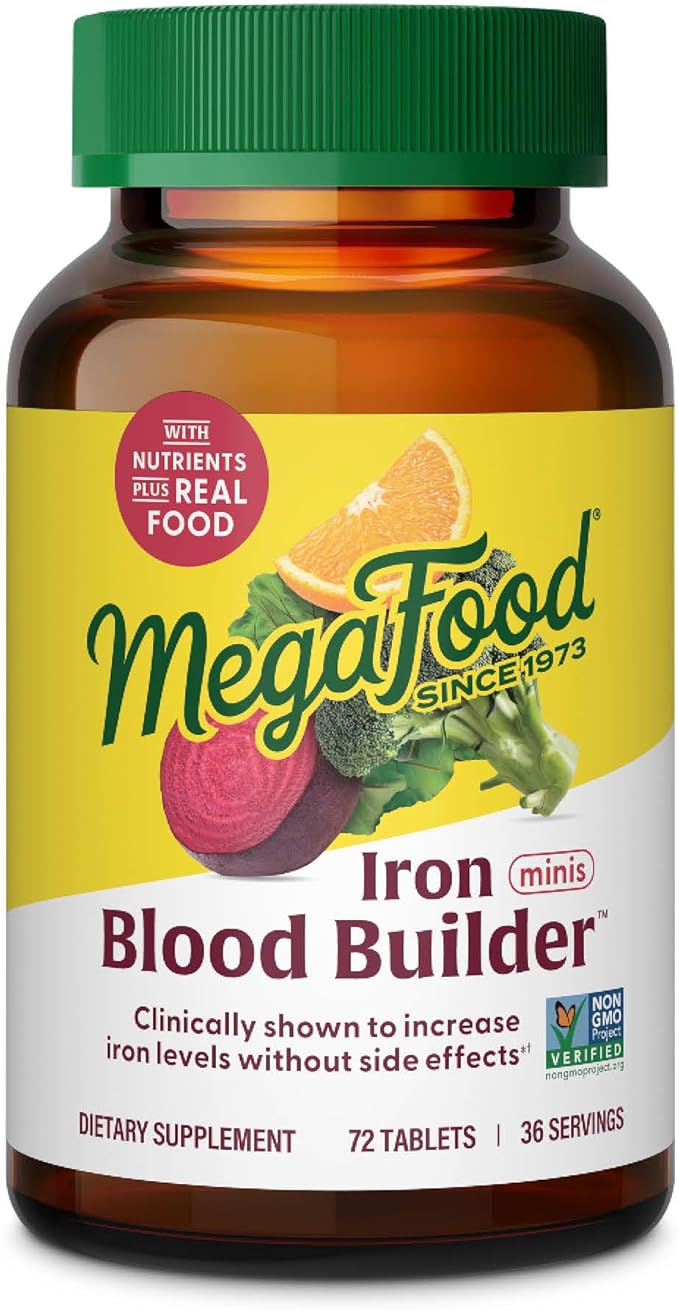
MegaFood Blood Builder Iron Supplement for Women & Men
Gentle iron with B12, folate, and vitamin C built in. The combination is what the anemia section calls for, in one tablet.

NOW Foods Pumpkin Seeds, Raw and Unsalted, 1 Pound
One of the iron-rich foods named in the section. A handful with breakfast hits ~2.5 mg iron and pairs well with citrus.
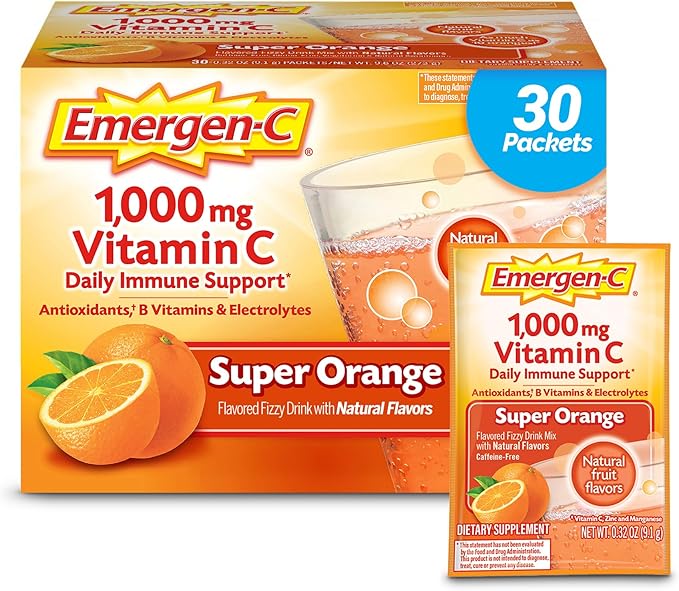
Emergen-C 1000mg Vitamin C Powder, Super Orange (60 Packets)
Mix into water alongside an iron-rich meal. Individually wrapped packets are easy for the morning routine.
Sources
- Mayo Clinic, Fetal Development: The 3rd Trimester (March 2025) — https://www.mayoclinic.org/healthy-lifestyle/pregnancy-week-by-week/in-depth/fetal-development/art-20045997
- Rao R, Georgieff MK. Iron in fetal and neonatal nutrition. Seminars in Fetal & Neonatal Medicine (2007) — https://pmc.ncbi.nlm.nih.gov/articles/PMC2048487/
- Rehman S, Bacha D. Embryology, Pulmonary. StatPearls (2023) — https://www.ncbi.nlm.nih.gov/books/NBK544372/
- ACOG, Anemia in Pregnancy (Practice Bulletin No. 233, August 2021) — https://www.acog.org/clinical/clinical-guidance/practice-bulletin/articles/2021/08/anemia-in-pregnancy
- American Academy of Pediatrics, Diagnosis and Prevention of Iron Deficiency and Iron-Deficiency Anemia in Infants and Young Children (Pediatrics, 2010) — https://publications.aap.org/pediatrics/article/126/5/1040/65343/Diagnosis-and-Prevention-of-Iron-Deficiency-and
A quick note: This content is for informational purposes only and is not a substitute for professional medical advice. Always talk to your healthcare provider about any questions or concerns. Content based on guidance from the American College of Obstetricians and Gynecologists (ACOG), the American Academy of Pediatrics (AAP), Mayo Clinic, and peer-reviewed medical literature. Learn how we create our content.