Week 2
Your baby is the size of a poppy seed
You’re not technically pregnant yet. Week 2 is the quiet before everything changes. Your body is gearing up for ovulation, and one egg is about to make its debut. Your actual fertile window? Only about six days per cycle, according to ACOG. That’s a surprisingly small target. This week is about understanding what’s happening under the surface, timing things right, and giving your body the best possible shot at what comes next.
Key takeaways
- Your fertile window is only about six days long. The five days before ovulation plus the day of ovulation itself
- Cervical mucus is your best free fertility signal. When it’s clear and stretchy like raw egg whites, ovulation is close
- Sperm can survive up to five days inside your body, so having sex before ovulation actually works in your favor
- His lifestyle choices matter right now too. Sperm takes about 74 days to mature, so what he does today affects the sperm that could make your baby
What’s developing at 2 weeks
Here’s the honest truth: there’s no baby at week 2. You’re not pregnant yet. Your body is building toward ovulation, and that’s where everything actually starts.
Inside one of your ovaries, a single follicle has won the competition. Out of the group that started growing this cycle, one emerged as dominant. It’s developing fast and getting ready to release a mature egg. Meanwhile, your uterine lining is rebuilding after your period. It’s layering up with blood vessels and nutrients, creating the ideal landing spot for a fertilized egg to settle in.
Two tracks of prep work happening at once.
As ovulation approaches (typically around day 14 of a 28-day cycle, though your timing may be different), your body ramps up production of luteinizing hormone, or LH. This LH surge is what ovulation predictor kits detect. Once it spikes, ovulation usually follows within 12 to 36 hours. You can track this with over-the-counter test strips that work a lot like pregnancy tests.
The released egg only survives about 12 to 24 hours after ovulation. Tiny window. But here’s what works in your favor: sperm can survive in your reproductive tract for up to five days. That’s why your fertile window is roughly six days long. It’s not just the day you ovulate. It’s the five days leading up to it too.
If sperm meets egg in the fallopian tube, fertilization happens. A single cell forms containing all 46 chromosomes that will determine everything from eye color to whether your baby gets your partner’s nose or yours. One cell. That’s the very beginning.
How your body is changing
You probably feel completely normal this week.
That’s expected.
All the action is internal, and your body is doing impressive behind-the-scenes work. The biggest change you might notice is your cervical mucus. As ovulation gets closer, it shifts from sticky or creamy to clear, slippery, and stretchy. Think raw egg whites. This isn’t random. Your body is creating a smoother path for sperm to travel, and research shows that tracking cervical mucus is one of the most reliable free ways to predict ovulation. Peak mucus ratings consistently coincide with the LH surge.
Some people feel a mild cramp on one side of their lower abdomen around ovulation. It’s called mittelschmerz (German for “middle pain”), and it’s completely harmless. Not everyone notices it, so don’t worry if you feel nothing.
For timing, ACOG recommends having sex every one to two days during your fertile window. No special positions or techniques have been proven to boost your odds.
Consistency beats creativity here.
Keep taking your prenatal vitamin daily. ACOG recommends at least 400 mcg of folic acid starting before you conceive. This helps protect against neural tube defects, and it works best when you start before pregnancy. Stay hydrated, eat well, and try to keep stress manageable. A 2023 systematic review found that chronically elevated cortisol can interfere with the hormones that regulate ovulation. But normal everyday stress? Unlikely to prevent conception. If the trying-to-conceive process itself is stressing you out, talk to your provider about it.
For dads
Here's your move:
Here’s your move: don’t make this week weird. If you and your partner are trying to conceive, ovulation is approaching and the fertile window is opening. The best thing you can do is keep things natural and connected. Don’t turn sex into a scheduled assignment. If she’s using ovulation test strips or tracking apps, ask about them. Learn what the LH surge means. Knowing her cycle shows you’re a real partner in this process, not just someone waiting on the sidelines for news. That small shift matters more than you’d think.
Real talk:
Real talk: your sperm takes about 74 days to fully mature. That means what you’re doing right now directly affects the sperm that could create your baby two to three months from now. Cut back on alcohol. Skip the hot tubs and saunas (heat reduces sperm production). Eat actual food, not just whatever’s fastest. Move your body most days. And if you smoke, this is probably the best reason you’ll ever get to quit. None of this is about being perfect. It’s about stacking the odds in your family’s favor while you still can.
Common concerns
Is it normal not to feel any different this week?+
Completely normal. You’re not technically pregnant yet. Your body is just preparing for ovulation. You won’t feel pregnancy symptoms for at least another two weeks, after implantation. Most people have no clue anything’s different right now.
How do I know when I’m ovulating?+
Watch your cervical mucus. When it’s clear and stretchy, ovulation is close. Ovulation predictor kits detect the LH surge that happens 12 to 36 hours before ovulation. Some people also feel a mild one-sided cramp. Tracking these signs over a few cycles helps you predict your window more accurately.
Does it matter how often we have sex during the fertile window?+
Every one to two days during your fertile window gives you the best shot. Daily is fine and doesn’t reduce sperm quality for most people. No special timing tricks needed. Just consistency during those six days.
Can stress actually stop me from getting pregnant?+
Chronic or extreme stress can mess with the hormones that control ovulation. But normal everyday stress? Unlikely to prevent conception. If the trying-to-conceive process itself feels overwhelming, talk to your partner and your provider.
Product picks for week 2
As an Amazon Associate, Cradlebug earns from qualifying purchases — at no extra cost to you. Learn more

What to Expect Before You’re Expecting
The go-to preconception guide covering fertility, nutrition, and what to do before that positive test.
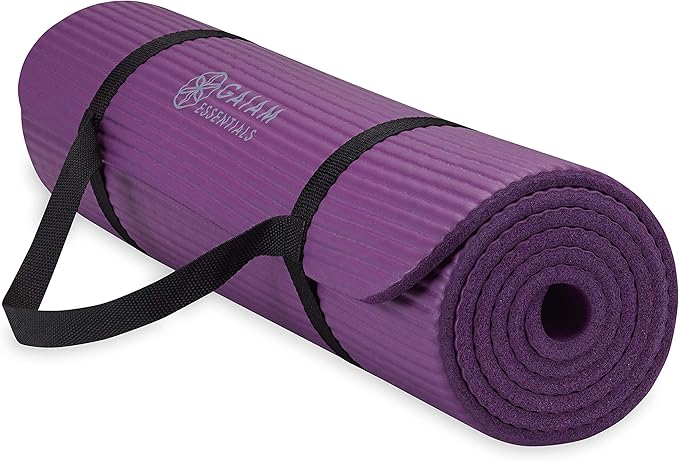
Gaiam Yoga Mat, Pilates & Exercise Mat (10mm)
Thick cushioning with carrying strap for the gentle exercise that supports fertility.

Renoj Resistance Bands 3-Set
Light, medium, and heavy fabric bands for at-home workouts that fit any schedule.
Sources
- ACOG, Trying to Get Pregnant? Here’s When to Have Sex (2024) — https://www.acog.org/womens-health/experts-and-stories/the-latest/trying-to-get-pregnant-heres-when-to-have-sex
- ACOG, Good Health Before Pregnancy: Prepregnancy Care (2024) — https://www.acog.org/womens-health/faqs/good-health-before-pregnancy-prepregnancy-care
- Wilcox et al., Timing of Sexual Intercourse in Relation to Ovulation, New England Journal of Medicine (1995) — https://www.nejm.org/doi/pdf/10.1056/NEJM199512073332301
- Palomba et al., Infertility and Cortisol: A Systematic Review, Reproductive BioMedicine Online (2023) — https://pmc.ncbi.nlm.nih.gov/articles/PMC10344356/
- Holstein et al., Understanding Spermatogenesis is a Prerequisite for Treatment, Reproductive Biology and Endocrinology (2003) — https://pmc.ncbi.nlm.nih.gov/articles/PMC293421/
A quick note: This content is for informational purposes only and is not a substitute for professional medical advice. Always talk to your healthcare provider about any questions or concerns. Content based on guidance from the American College of Obstetricians and Gynecologists (ACOG), the American Academy of Pediatrics (AAP), Mayo Clinic, and peer-reviewed medical literature. Learn how we create our content.