Week 17
Your baby is the size of a pear
Your baby just started building body fat. Not much yet — a thin layer of adipose tissue beneath skin that's still mostly see-through. It doesn't look like much. But this fat will eventually regulate your baby's temperature after birth and fill out those round newborn cheeks. At 17 weeks and about 5 inches from crown to rump, your baby weighs around 5 ounces, sleeps in short bursts, and kicks with increasing strength. The anatomy scan is right around the corner.
Key takeaways
- Your baby's skeleton is actively hardening from cartilage into bone, a process called ossification that started around week 8 and is now visible on ultrasound.
- Blood volume is up roughly 18% above your pre-pregnancy level and still climbing, which explains the warmth, visible veins, and occasional nosebleeds.
- The anatomy scan is performed between 18 and 22 weeks per ACOG, with 18 to 20 weeks generally considered the best window for clear imaging. It checks your baby's organs, spine, heart chambers, and brain in detail.
- Your baby now cycles between sleep and wakefulness in stretches of about 20 to 40 minutes, with lots of kicking and rolling in between.
Your baby is building their first layer of insulation this week
Here's what's new. Your baby's body is laying down its first adipose tissue. White fat cells begin forming around 14 weeks of gestation and develop progressively through 24 weeks, according to a 2020 overview in Nutrients. Right now, it's a thin film beneath skin you could still see through.
This fat isn't decorative.
After birth, it helps regulate body temperature and provides energy reserves during the transition to feeding. Think of it as infrastructure your baby is building months ahead of schedule.
The skeleton is getting serious too. Ossification, the conversion of soft cartilage into hard bone, has been running since around week 8. It's accelerating now. Long bones in the arms and legs are hardening. The skull is becoming more defined. On ultrasound, the skeleton would show up clearly.
Toenails are growing in, following the fingernails that started weeks ago.
And your baby has developed distinct sleep-wake patterns. Not day-and-night rhythms yet (those come later), but bursts of activity followed by rest periods lasting roughly 20 to 40 minutes. Between naps: rolling, stretching, kicking. Constant motion.
The umbilical cord is thicker and stronger now, developing a spiral coiling pattern that helps prevent compression as your baby becomes more active. The placenta is growing alongside your baby, filtering blood, delivering nutrients, and handling waste around the clock.
Why you're suddenly running warm and getting random nosebleeds
Blood volume. That's the short answer.
A 2019 systematic review in BMC Pregnancy and Childbirth found that plasma volume increases about 18% above pre-pregnancy levels between weeks 14 and 20. By the third trimester, total blood volume will climb close to 45% above baseline. You're in the steepest part of that ramp right now.
The side effects show up fast. You might feel warmer than everyone around you. Veins may be more visible on your breasts and belly. Nosebleeds can happen because the extra blood flow swells mucous membranes in your nose.
None of this is a problem.
Your cardiovascular system is scaling up for what's ahead.
Appetite is probably picking up. ACOG recommends about 340 extra calories per day during the second trimester. That's a yogurt with granola or a banana with peanut butter. Not a second dinner.
One practical thing to do this week: confirm your anatomy scan is booked. ACOG recommends it between weeks 18 and 22. The sonographer checks your baby's brain, heart chambers, spine, kidneys, limbs, and more. It also evaluates placenta position and amniotic fluid. If you want to find out the sex, this is usually when it happens.
If you haven't felt movement yet, that's normal.
Most first-time parents don't recognize quickening until closer to weeks 18 to 22.
For dads
Here's your move:
The anatomy scan is coming in the next one to three weeks. Block it on your calendar now. Not a maybe. An actual hold. This one runs 30 to 60 minutes and covers everything from heart chambers to spine alignment. Before the appointment, have the conversation with your partner: do you want to find out the sex? Together in the room? Sealed in an envelope? Not at all? Getting aligned now prevents an awkward split-second decision while the sonographer waits for your answer. Show up prepared and phone away. This is one you'll want to be fully present for.
Real talk:
Your partner's body is changing in ways that are visible to everyone now. That can feel complicated. She might love the bump one day and feel self-conscious the next. Physical intimacy might look different than it used to. The second trimester often brings desire back, but not always, and not for everyone. Don't take shifts personally. The most useful thing you can do right now isn't grand or expensive. Ask how she's feeling. Not about the baby. About her. Then listen without trying to fix anything. The partnership you're building during these months is the foundation for everything that comes after.
Common concerns
Is it normal to get random nosebleeds during pregnancy?+
Yes. Your blood volume is expanding rapidly, which swells the mucous membranes inside your nose and makes them more fragile. Saline spray and a humidifier can help. If nosebleeds are heavy, frequent, or don't stop within 10 to 15 minutes, mention it at your next appointment.
Should I be feeling kicks by 17 weeks?+
Not necessarily. Most first-time parents don't recognize fetal movement until closer to weeks 18 to 22. An anterior placenta can delay perception further by cushioning the kicks. When it happens, it'll feel like bubbles or light tapping, not a full kick.
What exactly does the anatomy scan check?+
ACOG recommends it between weeks 18 and 22. The sonographer evaluates your baby's brain, heart chambers, spine, kidneys, limbs, and facial structures. It also checks placenta position and amniotic fluid levels. The scan typically runs 30 to 60 minutes. You can usually find out the sex at this appointment if you choose.
I'm always hot now. Is that pregnancy-related?+
Almost certainly. Your blood volume is expanding and your metabolism is higher, both of which generate extra heat. Layers help. Stay hydrated and keep a fan nearby. Feeling warm is normal. An actual fever above 100.4 degrees F is different and warrants a call to your provider.
Product picks for week 17
As an Amazon Associate, Cradlebug earns from qualifying purchases — at no extra cost to you. Learn more

Sukeen Cooling Towels 4-Pack
Wet-to-activate cooling towels for instant relief when pregnancy warmth hits during walks or errands
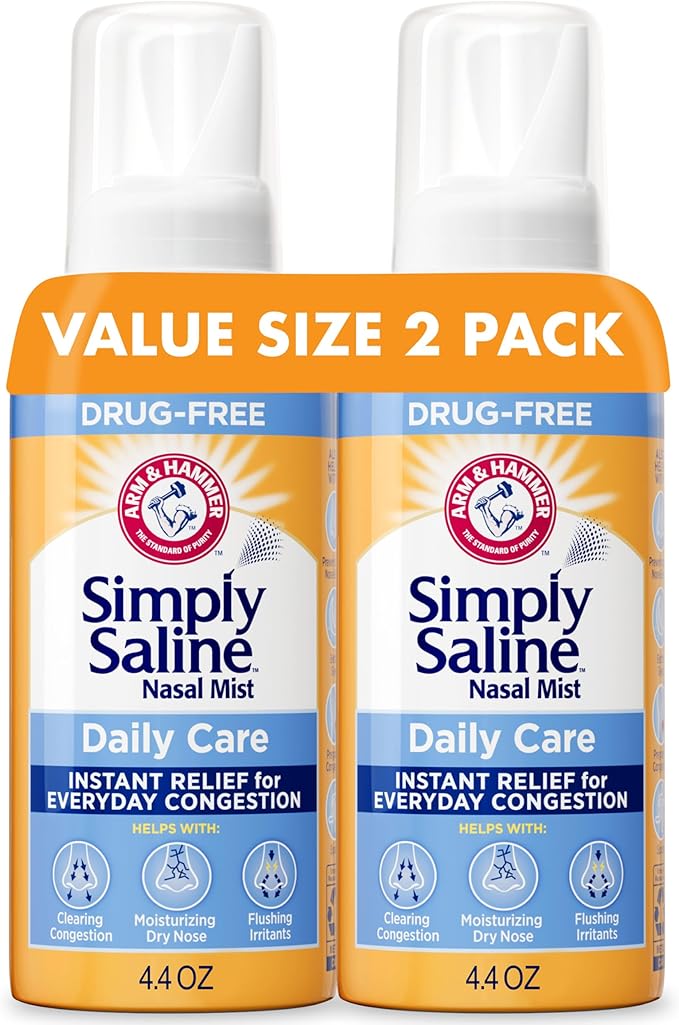
Arm & Hammer Simply Saline Nasal Mist 2-Pack
Drug-free saline spray that helps with the nosebleeds and nasal dryness from increased blood volume

POSHDIVAH Maternity Leggings Over The Belly
Stretchy over-belly leggings that grow with your bump as your body changes through the second trimester
Sources
- ACOG, How Your Fetus Grows During Pregnancy (2024) — https://www.acog.org/womens-health/faqs/how-your-fetus-grows-during-pregnancy
- Middleton P et al., Plasma volume expansion across healthy pregnancy: a systematic review and meta-analysis, BMC Pregnancy and Childbirth (2019) — https://pmc.ncbi.nlm.nih.gov/articles/PMC6924087/
- Sanghavi M & Rutherford JD, Cardiovascular Physiology of Pregnancy, Circulation (2014) — https://pubmed.ncbi.nlm.nih.gov/25223771/
- ACOG, Nutrition During Pregnancy (2024) — https://www.acog.org/womens-health/faqs/nutrition-during-pregnancy
- Orsso CE et al., Adipose Tissue Development and Expansion from the Womb to Adolescence: An Overview, Nutrients (2020) — https://pmc.ncbi.nlm.nih.gov/articles/PMC7551046/
A quick note: This content is for informational purposes only and is not a substitute for professional medical advice. Always talk to your healthcare provider about any questions or concerns. Content based on guidance from the American College of Obstetricians and Gynecologists (ACOG), the American Academy of Pediatrics (AAP), Mayo Clinic, and peer-reviewed medical literature. Learn how we create our content.